Patrizia Sütterlin
Rail rescue specialist (sergeant and locomotive driver), a member of the volunteer fire brigade, passionate reader and outdoor enthusiast.
Rail rescue specialist – Your contribution to safe rail operations.
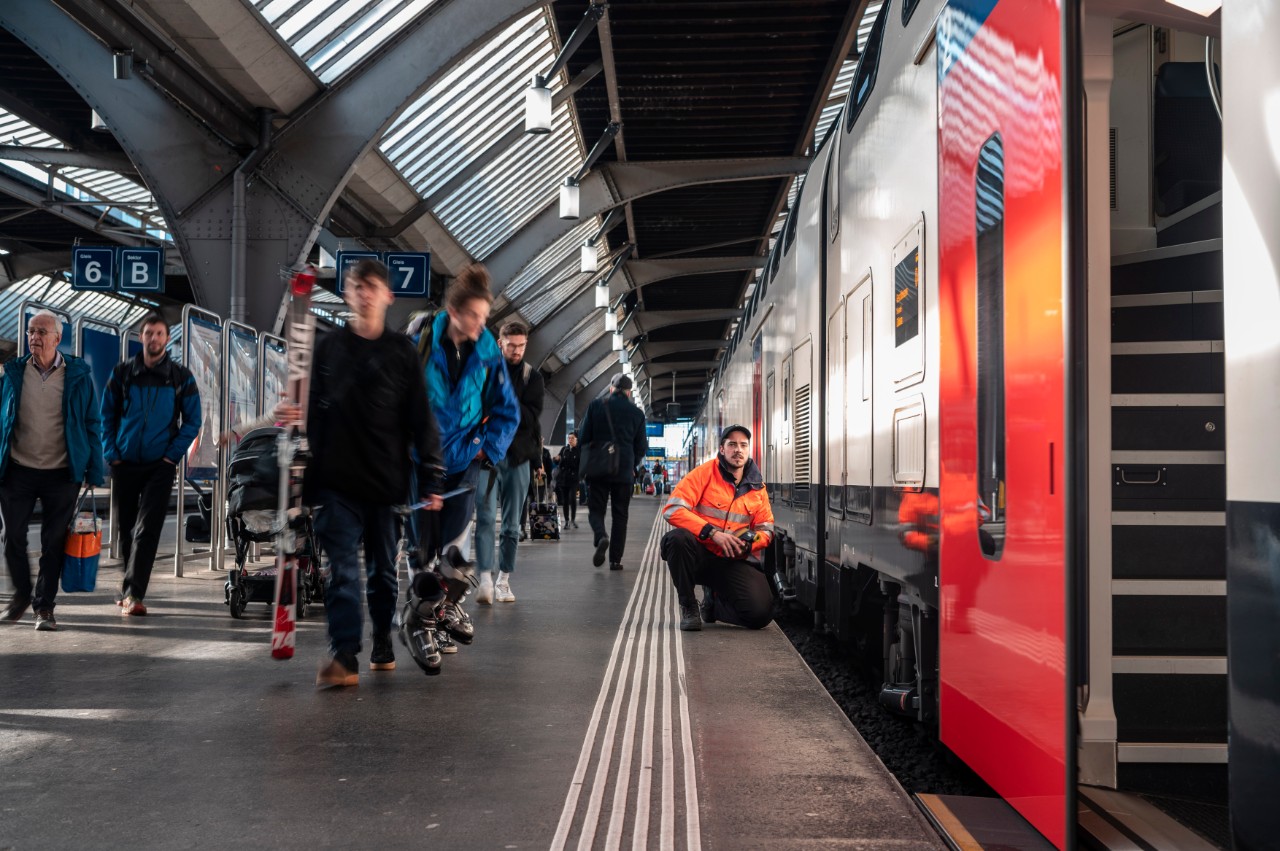
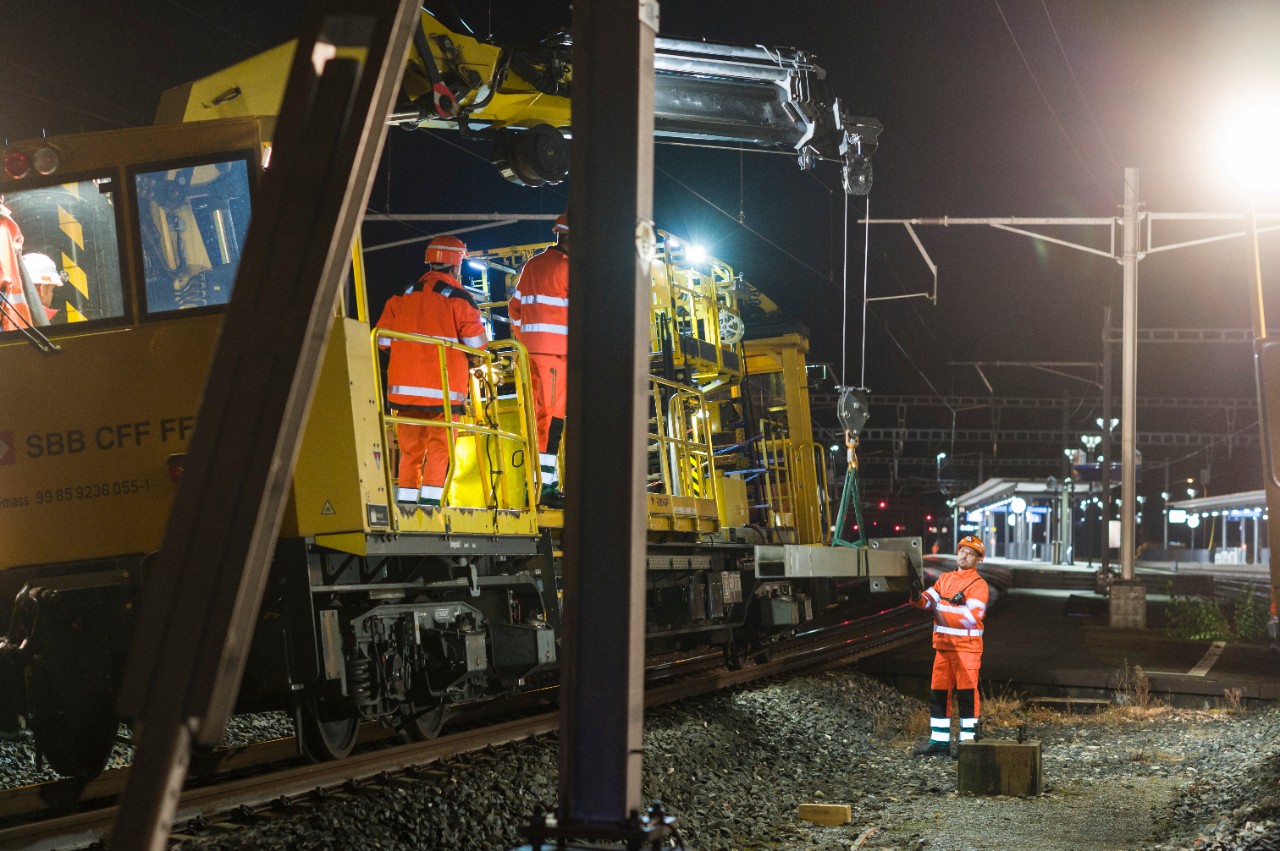
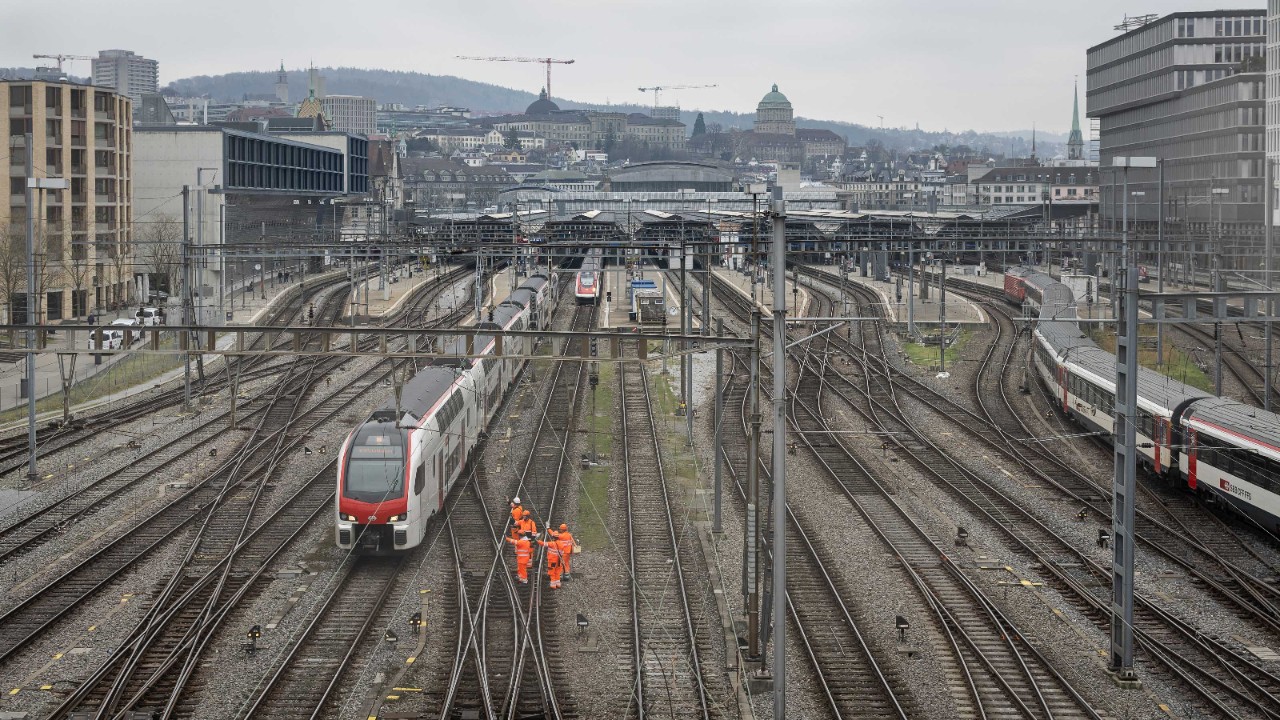
As part of Incident Management, you and your team respond quickly to emergencies out on the track and help bring situations under control. In doing so, you ensure that rail traffic can return to smooth operation as soon as possible.


Nathanael Lüthi
Rail rescue specialist (corporal and locomotive driver), rescue work is where he’s in his element, particularly in the fire brigade.
You are needed.
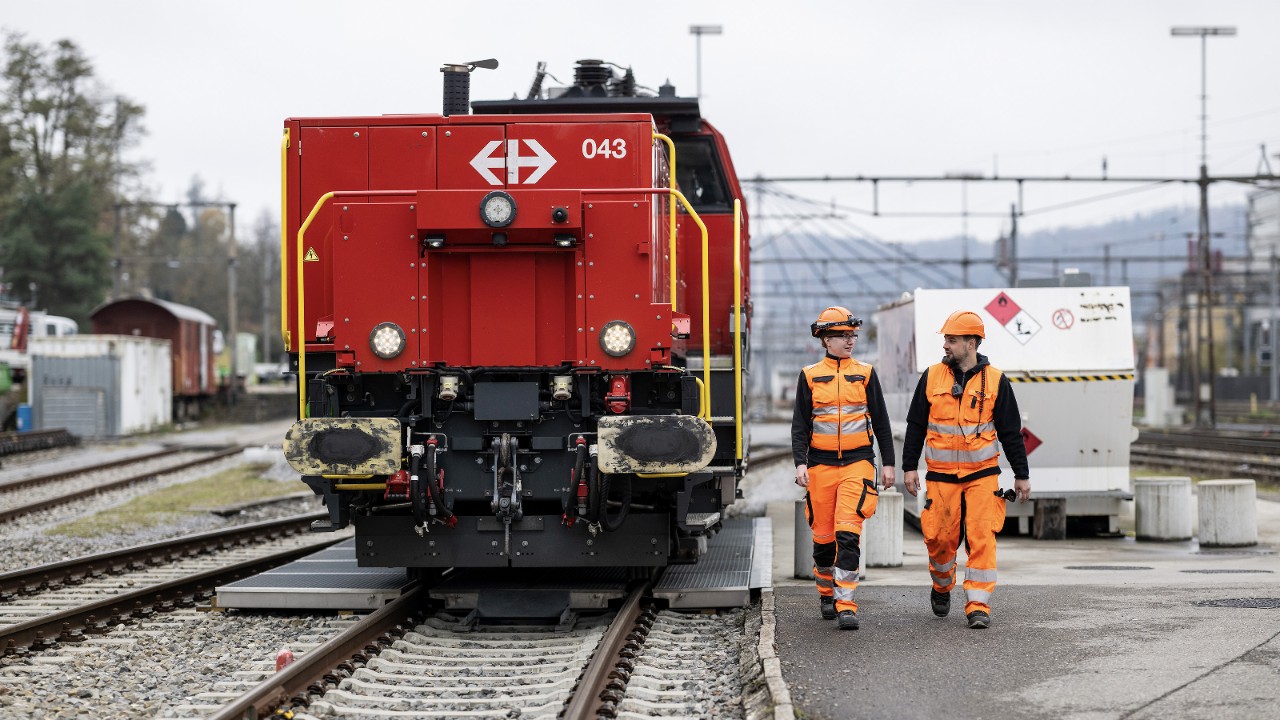
The SBB fire brigade – Intervention is called out around 10,000 times a year. When that happens, our Intervention team deploys with fire-fighting and rescue train to ensure the safety of our passengers. As a rail rescue specialist, you are part of this team and responsible for protecting people and animals, as well as the environment and the railway infrastructure. This makes the SBB fire brigade - Intervention one of Switzerland's rescue services – alongside the ambulance service, the police and others.
Variety guaranteed.
No two days are alike – and that's exactly what makes this job so exciting. One moment you're helping get a derailed train back on the tracks, the next you're extinguishing a fire or cleaning up spilled oil or chemicals. You're ready to respond at a moment's notice and are able to quickly draw on your expertise. To make this possible, your team trains regularly for a variety of scenarios.
24 hours in the team.
No one does this job alone. You work closely with your team and with various departments, both inside and outside SBB. You're on duty at the site for 24 hours at a time and then have time off. Your day is shaped by the incidents you are called to handle. In between operations, there is time for preparation, training and rest. You spend the night in your own room – unless you are out responding to an incident.